
1. Introduction
GHK-Cu peptide has attracted growing attention in scientific research because of its relationship with copper binding, cellular activity, and biological processes involving skin and hair. Researchers continue to investigate this naturally occurring copper peptide to better understand its molecular properties and potential role in tissue biology.
GHK-Cu, also known as copper tripeptide-1, consists of three amino acids associated with a copper ion. Its distinctive structure makes it an interesting subject for laboratory studies involving cellular communication, extracellular matrix components, and biological responses.
As interest in high quality GHK-Cu peptides increases, understanding the scientific evidence behind this compound becomes increasingly important. Research findings can offer valuable insights, but experimental observations should not be confused with established medical benefits.
This article explores GHK-Cu peptide research, its relationship with skin and hair biology, and the importance of reliable laboratory materials.
2. What Is GHK-Cu Peptide and Why Is It Important?
GHK-Cu is a naturally occurring copper binding peptide formed when the tripeptide glycyl-L-histidyl-L-lysine associates with copper. Scientists have studied this compound because copper plays an important role in several biological processes, including enzyme activity and cellular function.
The peptide has been investigated in laboratory experiments involving extracellular matrix proteins, cellular signaling, and responses associated with tissue maintenance.
One important characteristic of GHK-Cu is its ability to bind copper ions. This property has encouraged researchers to explore how copper peptide complexes interact with biological systems under controlled experimental conditions.
GHK-Cu research peptides are also used in studies examining peptide stability, molecular interactions, and cellular responses. These investigations contribute to a broader understanding of how small peptides participate in biological activity.
Although scientific interest continues to expand, laboratory findings do not automatically establish effectiveness or safety in humans. Additional well designed research is necessary to determine the clinical relevance of experimental observations.
3. GHK-Cu Peptide Research in Skin and Hair Biology
Skin biology is one of the most frequently discussed areas of GHK-Cu research. Scientists have examined how this peptide interacts with cells and proteins involved in maintaining the skin’s structural environment.
Some experimental studies suggest that GHK-Cu may influence processes associated with collagen production, extracellular matrix remodeling, and cellular communication. These findings have encouraged further investigation into its biological properties.
Researchers are also interested in how copper peptides interact with fibroblasts, which are cells involved in producing structural components of connective tissue.
Hair biology represents another area of scientific interest. Laboratory investigations have explored relationships between copper peptides, follicular environments, and cellular signaling pathways associated with hair growth cycles.
However, the available evidence does not establish that GHK-Cu reliably improves hair growth or treats hair loss in humans. Results from laboratory models cannot be directly translated into clinical outcomes.
For researchers evaluating GHK-Cu peptides for laboratory research, understanding these distinctions helps maintain accurate scientific interpretation and responsible experimental practices.
4. Choosing Quality GHK-Cu Peptides for Laboratory Research
Reliable laboratory research depends on consistent materials, accurate documentation, and appropriate experimental methods. When evaluating a GHK-Cu research peptide supplier, researchers should consider product identity, purity information, and available analytical documentation.
Peptide quality can influence experimental consistency. Differences in compound composition, storage conditions, or handling may affect laboratory results and make comparisons between studies more difficult.
Independently tested GHK-Cu peptides can provide additional information about product characteristics. Researchers should review available testing documentation and confirm that analytical information corresponds to the specific product being evaluated.
Laboratories comparing wholesale GHK-Cu peptides should also consider supplier transparency, product labeling, and customer support rather than relying exclusively on price.
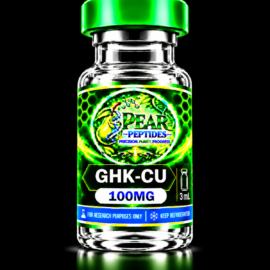
At Pear Peptides, we focus on providing independently tested research peptides at affordable wholesale prices. As a family-owned business, we believe every customer deserves honest service, clear information, and personal attention.
Our research products ship directly from our Texas warehouse, helping customers access laboratory materials through a straightforward ordering experience.
All products are intended strictly for laboratory research purposes and are not for human or veterinary use.
5. Conclusion
GHK-Cu peptide remains an interesting subject in scientific research involving copper binding, skin biology, hair follicle environments, and cellular processes.
Although experimental studies have identified several areas worth investigating, further research is necessary to establish the significance of these findings. Laboratory observations should always be interpreted carefully, particularly when discussing potential human applications.
For researchers exploring GHK-Cu peptide research, dependable materials and accurate scientific information remain important considerations.
Pear Peptides is proud to offer quality research peptides at wholesale prices, supported by friendly customer service and family business values. We appreciate every customer who chooses to work with us.
Research Use Notice: GHK-Cu research products are intended for laboratory research only. They are not intended for human or veterinary use.