
1. Introduction
BPC-157 research peptide has become a topic of growing interest in scientific research, particularly in studies involving cellular responses, tissue repair mechanisms, and biological signaling. Researchers are exploring how this synthetic peptide interacts with different biological systems and what these interactions might reveal about complex cellular processes.
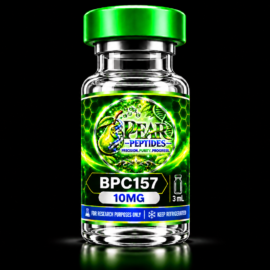
BPC-157 stands for Body Protection Compound 157. It is a synthetic peptide made up of 15 amino acids and is commonly associated with experimental research involving tissue responses and cellular activity.
Although early laboratory findings have attracted attention, BPC-157 remains an investigational compound. Its effects in humans are not well established, and more research is needed to understand its safety, biological activity, and potential applications.
For researchers interested in learning about BPC-157 research peptide research, understanding the available evidence is an important starting point.
2. What Is BPC-157 Research Peptide, and Why Is It Studied?
BPC-157 is a laboratory synthesized peptide derived from a sequence associated with a protein found in gastric juice. Scientists have investigated this compound in experimental models to better understand its biological properties.
One reason the BPC-157 research peptide has gained attention is its reported activity in preclinical studies involving tissue responses. Researchers have examined how the peptide may influence processes associated with cellular communication, blood vessel formation, and inflammatory signaling.
These investigations are primarily based on animal studies and laboratory experiments. While some findings are promising from a scientific perspective, they cannot establish that BPC-157 produces the same effects in humans.
Scientists also study the relationship between peptide structure and biological function. Understanding how a particular amino acid sequence behaves under controlled experimental conditions can contribute to broader knowledge about peptide biology.
For laboratories exploring research peptides, BPC-157 represents one example of how synthetic compounds can be used to investigate complex biological mechanisms.
3. How Does BPC-157 Work in Scientific Research?
Researchers are still investigating the mechanisms associated with BPC-157. Experimental findings suggest that the peptide may interact with several biological pathways, although its precise mechanism of action remains uncertain.
Some preclinical studies have examined its relationship with nitric oxide signaling, a process involved in vascular function and cellular communication. Other investigations have explored possible interactions with pathways associated with blood vessel development and tissue responses.
Another area of interest involves cellular migration. This process allows cells to move within tissues and plays an important role in normal biological maintenance. Laboratory experiments have investigated whether BPC-157 influences cellular movement under specific experimental conditions.
Scientists have also examined inflammatory responses in animal models. However, these observations do not demonstrate proven anti inflammatory effects or clinical benefits in humans.
Because different experimental models can produce different outcomes, researchers must interpret findings carefully. Study design, experimental conditions, and the quality of supporting evidence all influence how results should be understood.
Continued investigation is necessary before scientists can draw reliable conclusions about BPC-157 biological activity.
4. Current BPC-157 Research and Important Limitations
Interest in BPC-157 continues because researchers want to understand its reported effects in preclinical models and determine whether those findings can be reproduced through further investigation.
One important area involves tissue biology. Scientists study cellular signaling, structural proteins, and experimental tissue responses to better understand the processes involved in biological maintenance.
Another area involves peptide stability and laboratory analysis. Researchers may examine compound identity, purity, and chemical characteristics to support reliable experimental work.
Despite growing interest, significant limitations remain. Much of the published evidence comes from animal experiments, and high quality human clinical research is limited.
BPC-157 is not approved by the U.S. Food and Drug Administration for treating medical conditions. Its safety, appropriate clinical use, and long term effects in humans have not been established.
Research findings should therefore be presented accurately without suggesting that laboratory observations represent confirmed medical benefits.
At Pear Peptides, we believe researchers deserve clear product information and dependable service. As a family owned business, we offer independently tested research peptides at wholesale prices, with orders shipped directly from our Texas warehouse.
Our focus is on supporting legitimate laboratory research while maintaining clear research use restrictions.
5. Conclusion
BPC-157 peptide remains an interesting subject in experimental peptide research. Studies involving cellular signaling, tissue responses, and biological pathways have encouraged scientists to investigate its properties further.
However, current findings are largely preclinical, and important questions remain about its mechanisms, safety, and relevance to humans. Responsible interpretation of scientific evidence is essential when discussing this compound.
As research continues, carefully designed studies may provide a clearer understanding of BPC-157 and its biological characteristics.
Research Use Notice: BPC-157 products are intended strictly for laboratory research purposes and are not for human or veterinary use.